How to Fall Asleep with Anxiety
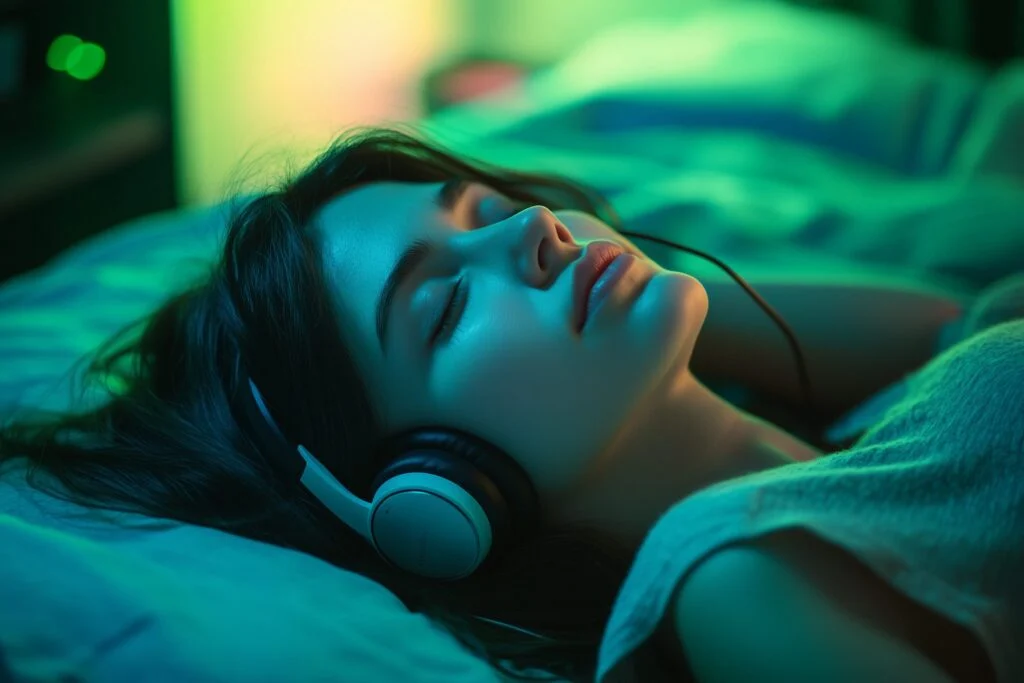
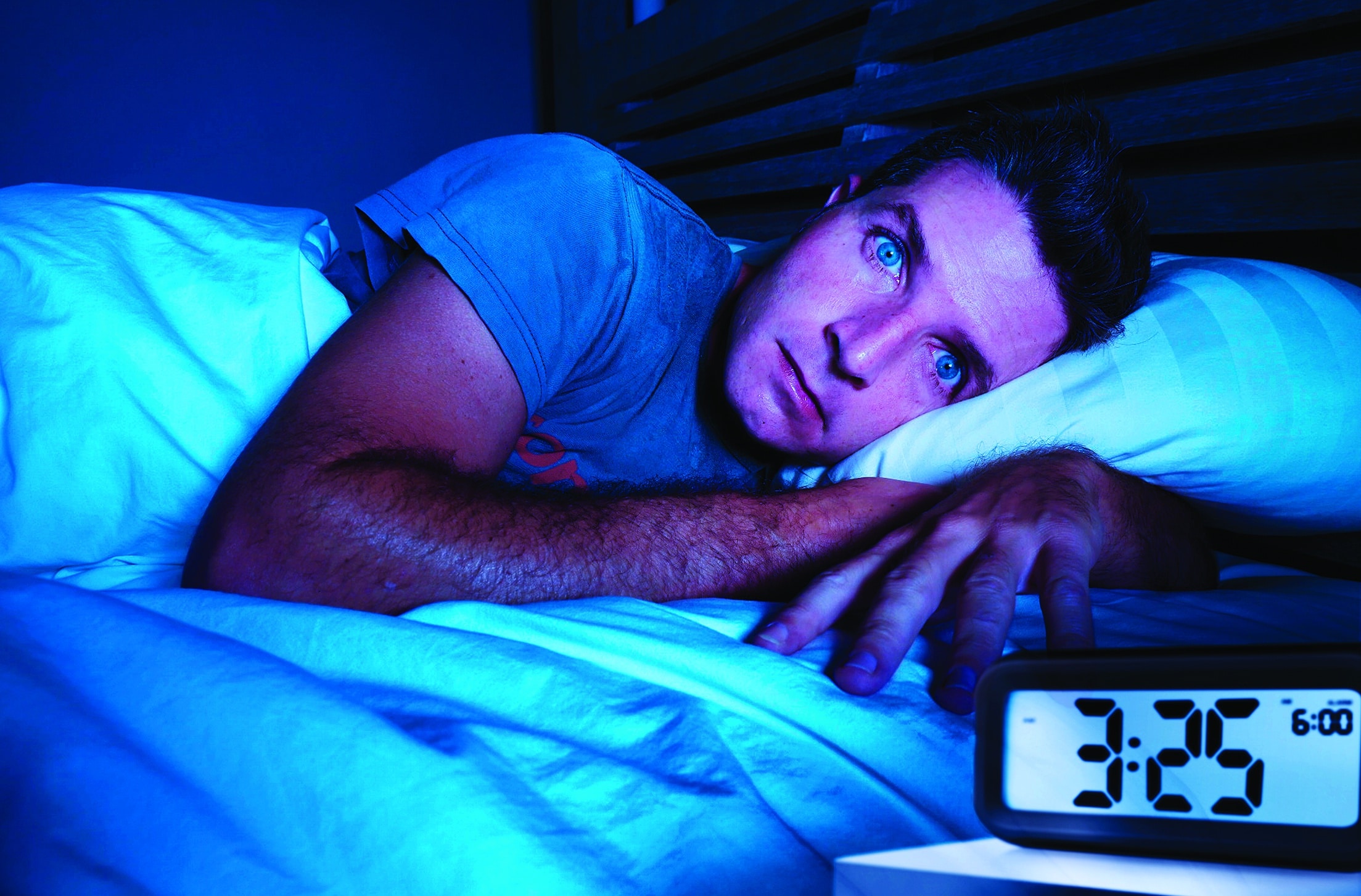
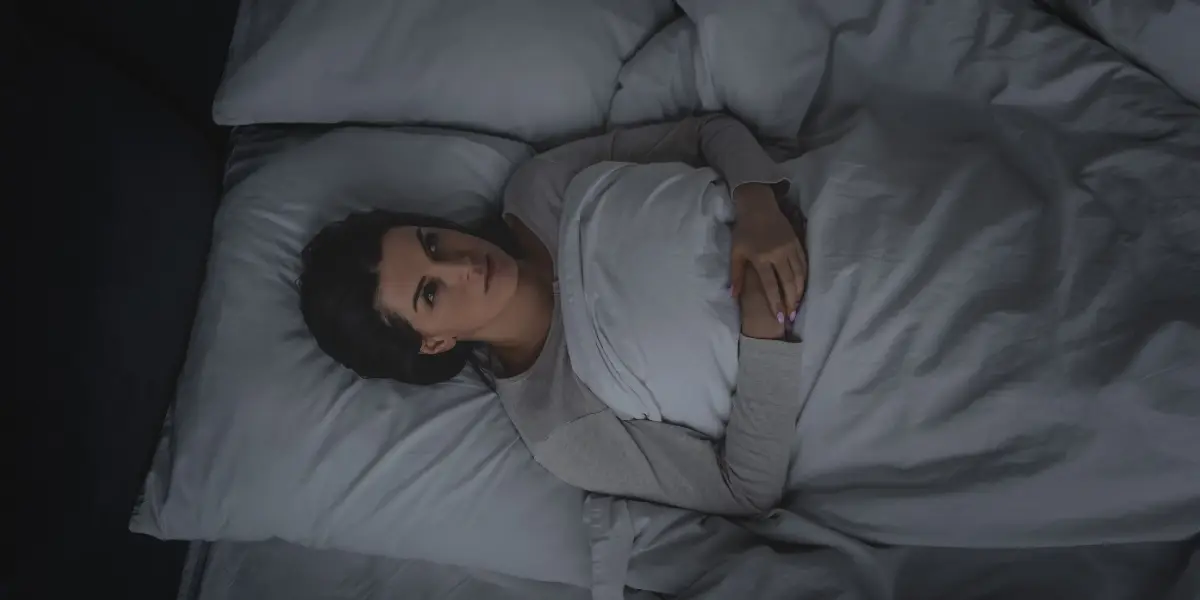
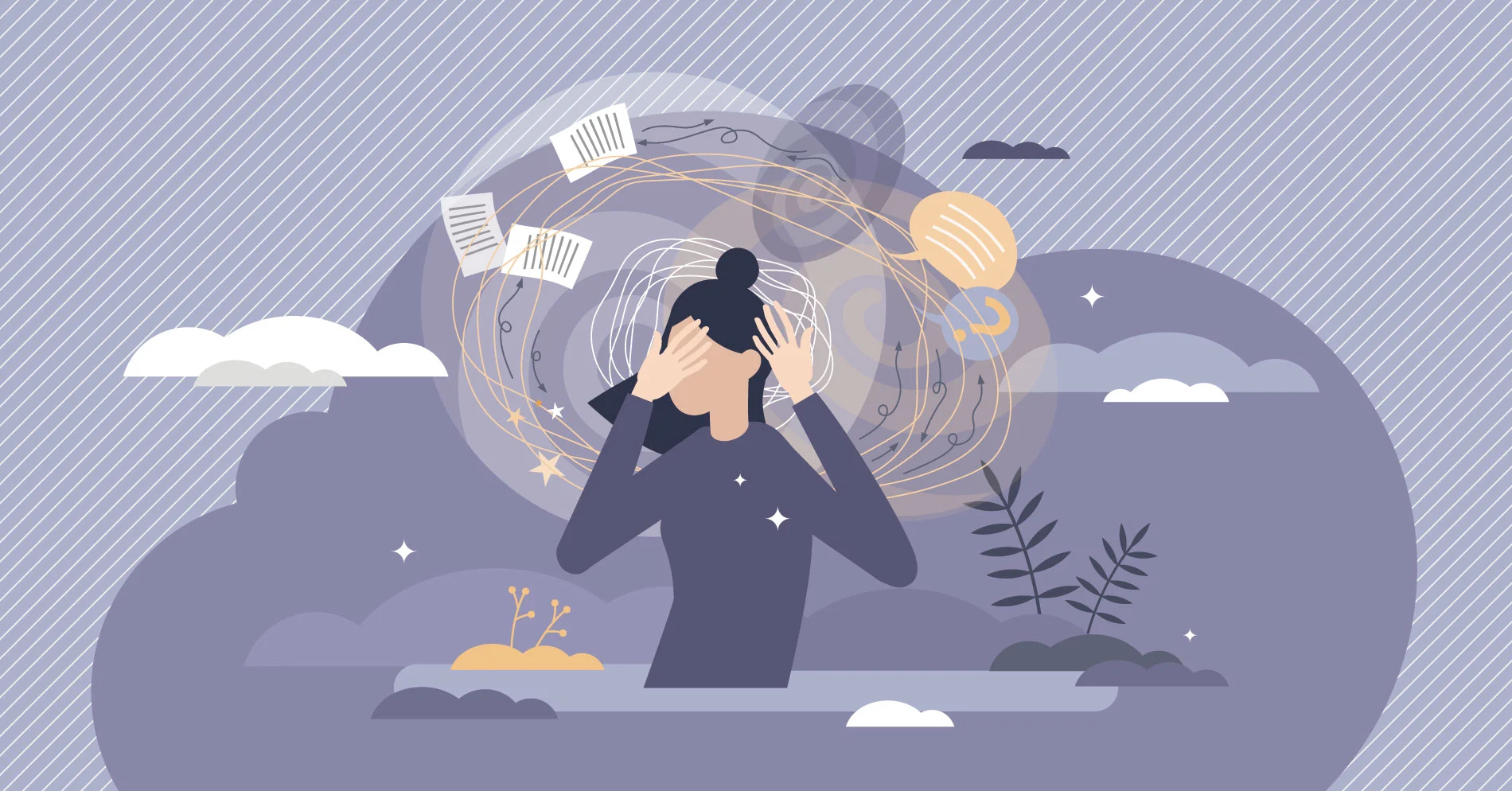
Anxiety and sleep fight each other at the neurological level. Understanding why — and applying the right sequence of techniques — is what actually works when your mind won't let you sleep.
Mental health is hard. Getting support doesn't have to be. Welcome to the StillKoi Blog. Our clinically-backed articles and resources are here to help you stress less, sleep more, live mindfully, and feel better, wherever you are on your mental health journey.

Anxiety and sleep fight each other at the neurological level. Understanding why — and applying the right sequence of techniques — is what actually works when your mind won't let you sleep.

Discover the scientific connection between your breath and your brain. Learn how specific breathing patterns activate the vagus nerve to reduce anxiety instantly.

Ever wonder why rainfall or ocean waves help you drift off? Explore the psychoacoustic benefits of soundscapes and how they improve sleep architecture.

Your smartphone doesn't have to be a source of anxiety. With a few deliberate changes to how it's configured and used, the same device that drains you can become one of your most effective wellness tools.

White noise isn't the only option — and for ADHD brains, it might not even be the best one. Discover why Brown, Pink, and Green noise affect focus and attention differently, and how to find what actually works for you.

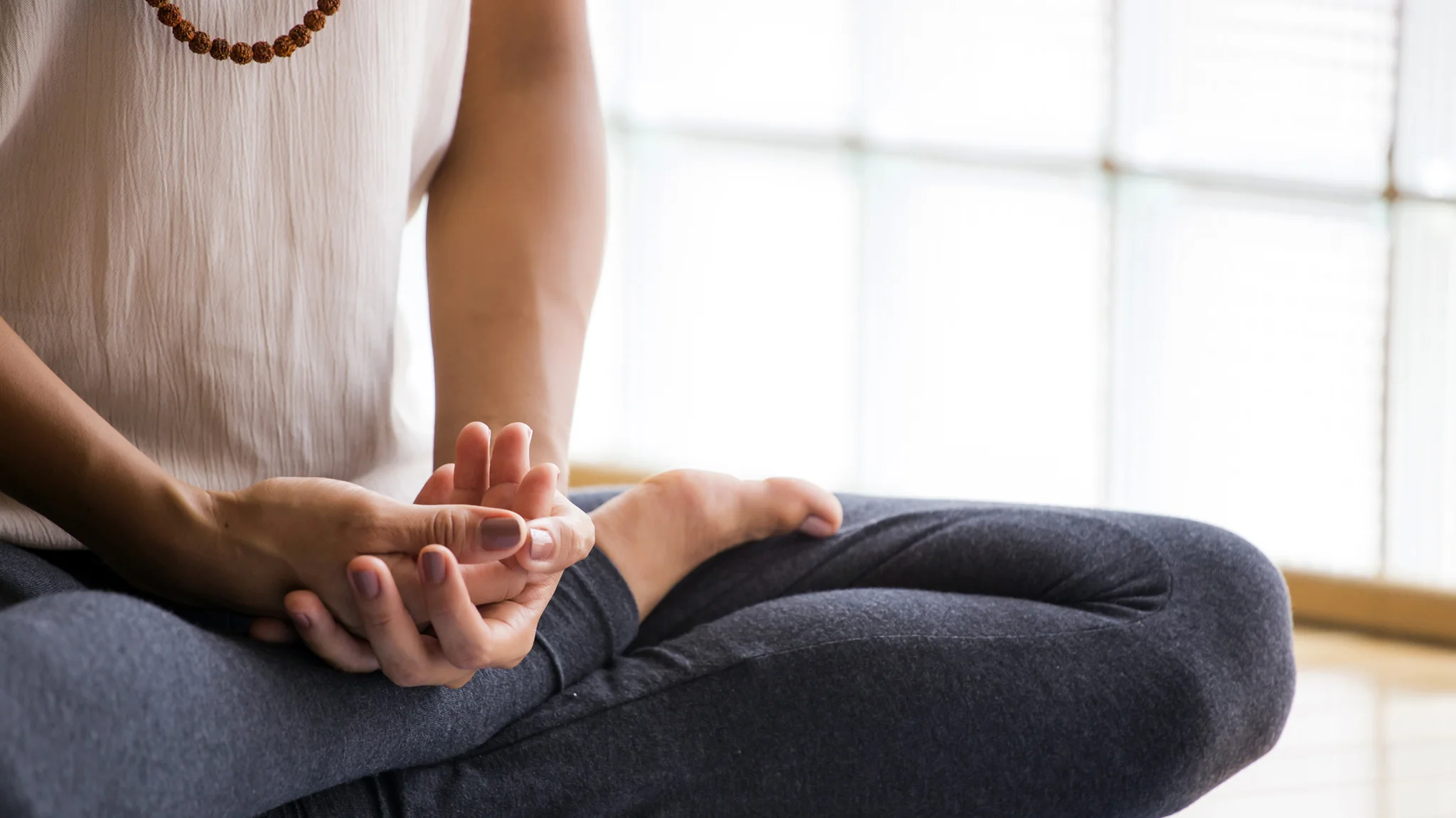
Can't sit still? Mind won't stop? You're not bad at meditation — you just haven't found the right entry point. Here are evidence-backed alternatives that actually work for restless minds.

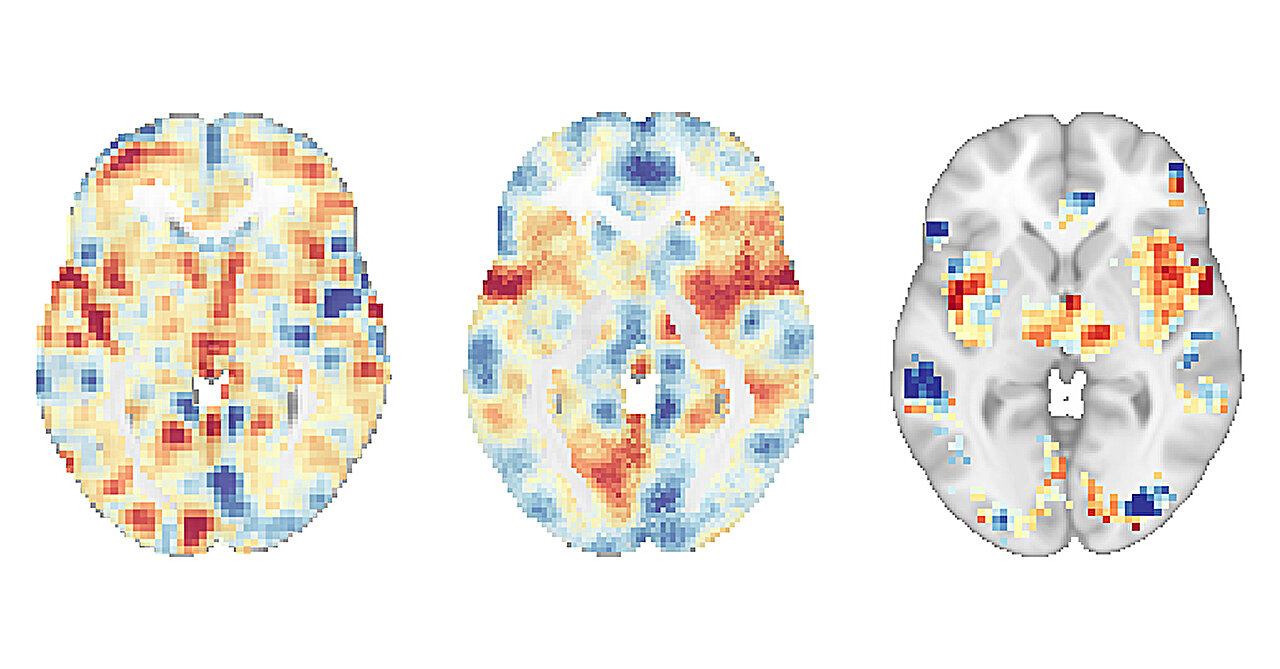
Mindfulness isn't just a mental exercise—it's a physical one. Discover how regular meditation increases grey matter density and improves brain longevity.

Most meditation guides make it sound easy. For beginners, it usually isn't. This guide is honest about why meditation feels hard at first — and gives you the real tools to build a practice that sticks.

Ever felt your emotions take over before you could think? That's an 'amygdala hijack.' Learn the neuroscience of reactive stress and how to stop it in seconds.

Your gut produces 95% of your serotonin and contains 500 million neurons. New research shows your microbiome directly drives anxiety, brain fog, and mood — and how to use this.

Why is it so hard to build a daily practice? The secret isn't more willpower—it's better psychology. Discover how to use 'habit stacking' to master mindfulness.

Cal Newport's Deep Work framework combined with meditation creates measurable changes in how your brain handles distraction. The neuroscience and a practical daily protocol.

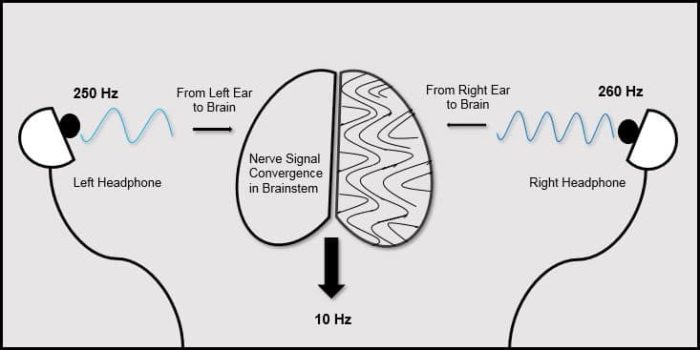
Can two slightly different frequencies played in each ear really alter your brainwaves? We review the current science on binaural beats for focus, sleep, and anxiety — and separate what's proven from what's hype.

Sleep tracking promised to optimize your rest. For many people, it's created a new anxiety disorder instead. Here's what orthosomnia is, why sleep scores can backfire, and what to focus on instead.

Ever feel exhausted but unable to sleep because your thoughts won't stop? Neuroscience explains why your brain becomes hyperactive at night — and what actually calms it down.

Most people pick the wrong one. Rain and white noise work through completely different brain mechanisms — the right choice depends on your specific sleep problem. Here's the science.

Non-Sleep Deep Rest (NSDR) is a neuroscience-backed technique that delivers the cognitive benefits of a nap in 10-20 minutes without the grogginess. Here's exactly how to use it.

Anxiety and sleep fight each other at the neurological level. Understanding why — and applying the right sequence of techniques — is what actually works when your mind won't let you sleep.

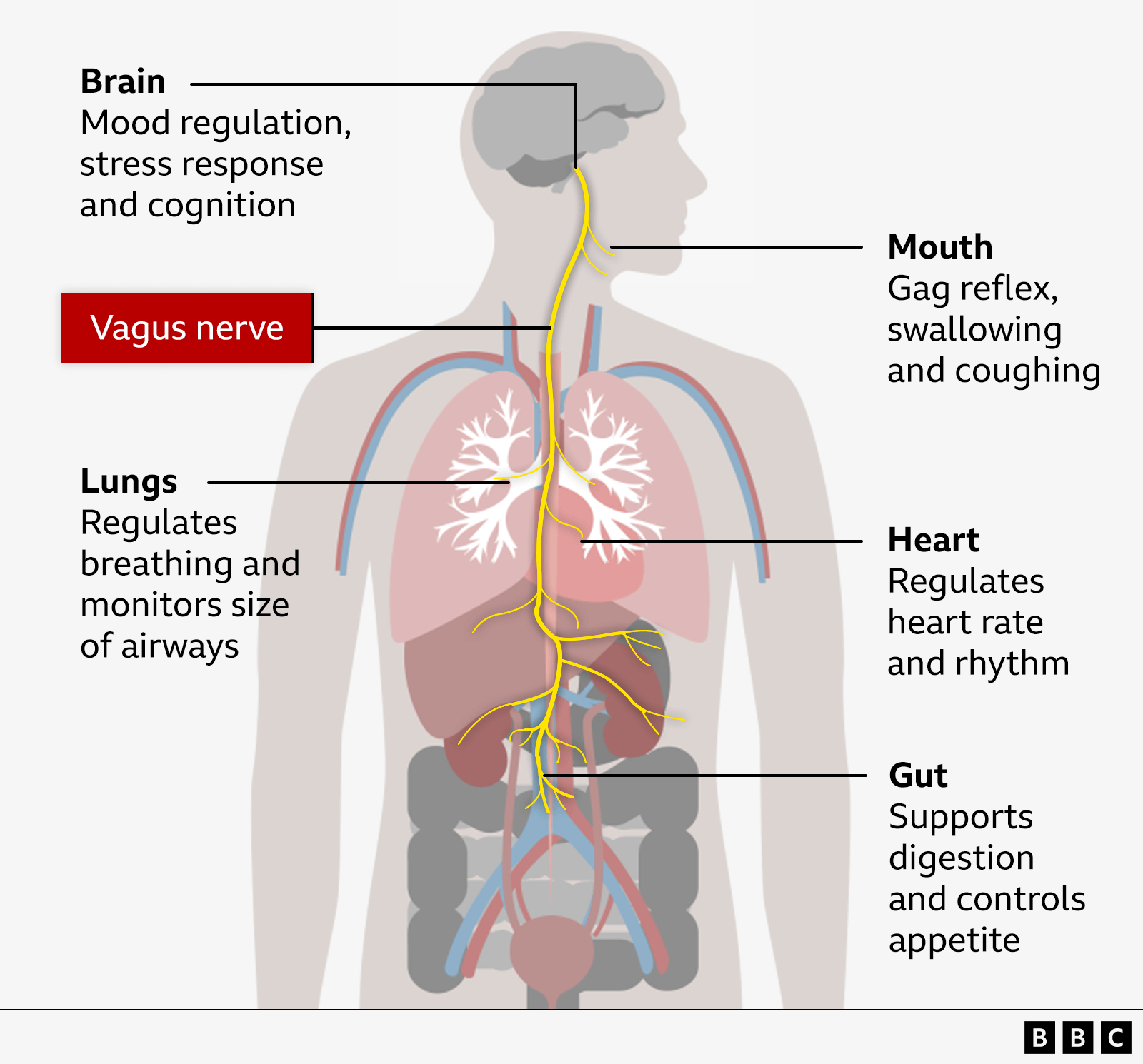
Your vagus nerve connects your brain to your body and governs your stress response. Discover how specific sounds and humming techniques directly activate it to create calm.

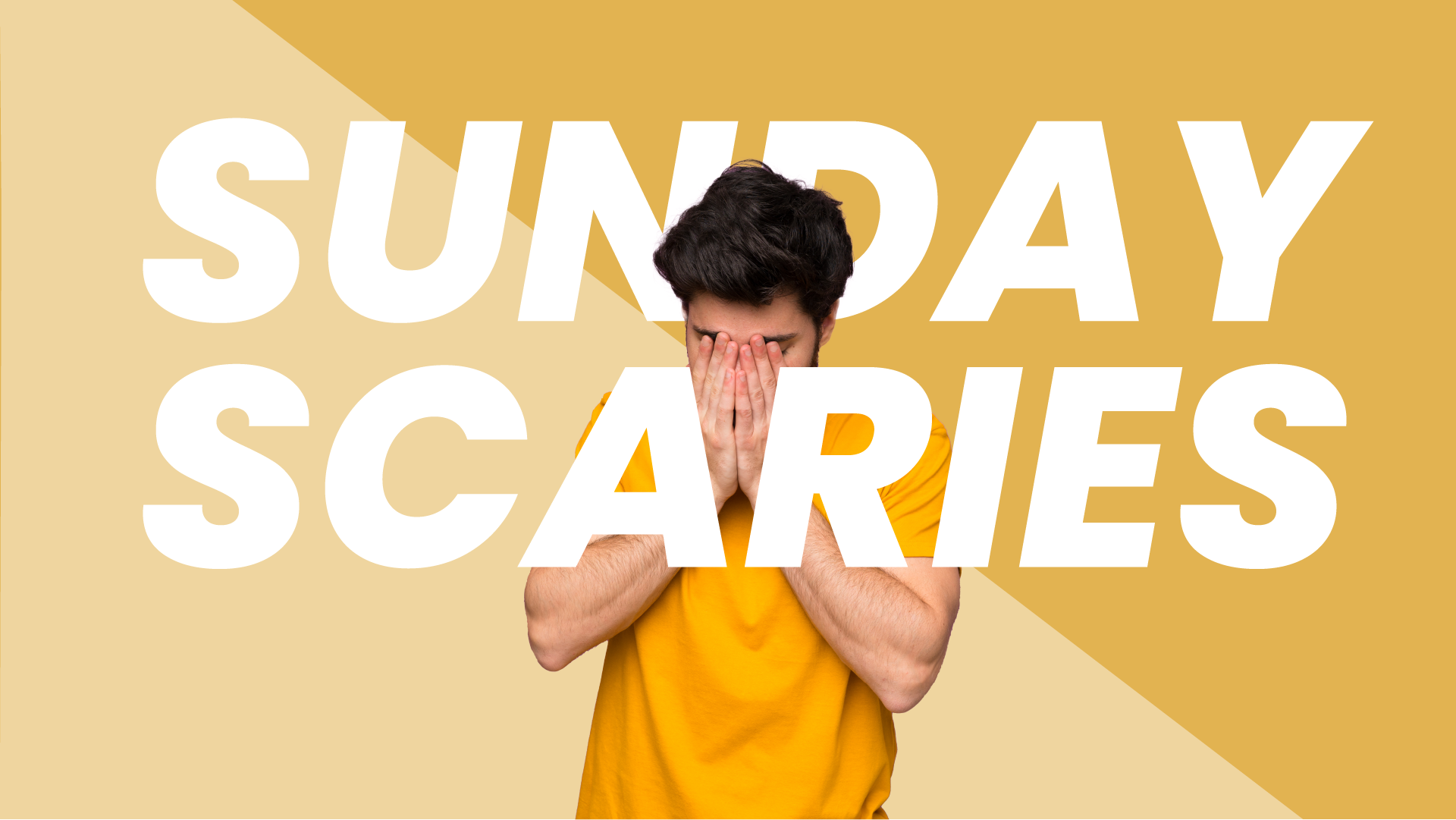
That creeping Sunday evening dread has a neurological basis. Here's exactly how to interrupt the anticipatory anxiety cycle with a science-backed audio routine that takes 10 minutes.

Feeling exhausted but strangely alert at night is a common stress response. Neuroscience explains the 'wired but tired' state—and how to exit it.