
The Sunday Scaries Cure: A 10-Minute Audio Routine
Why Sunday Evenings Feel Like Dread
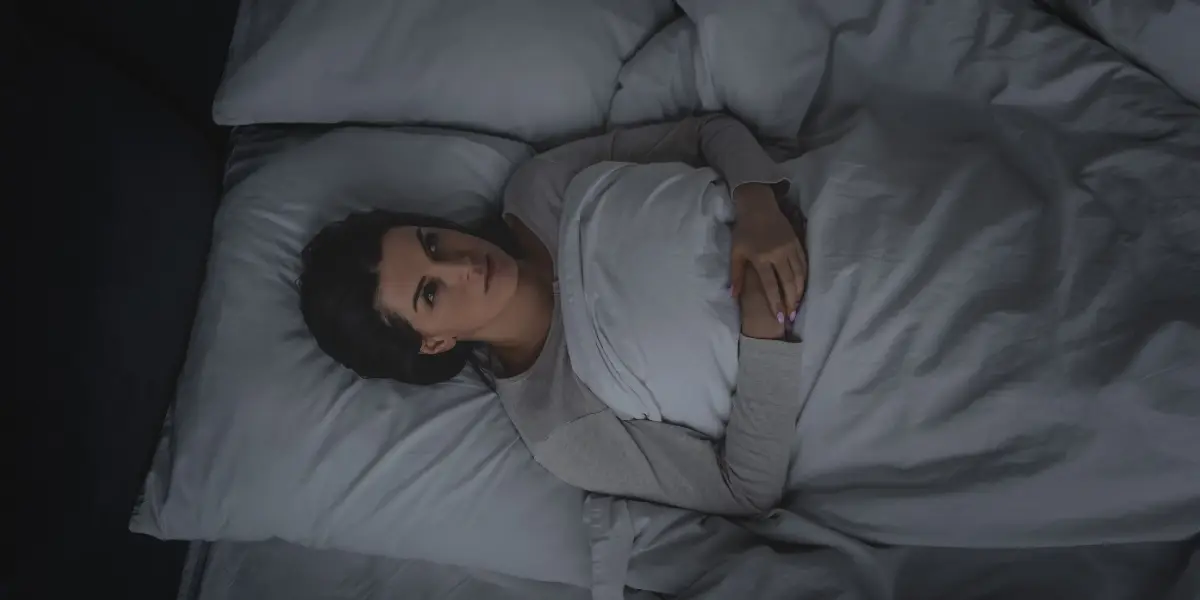
You're not imagining it. The Sunday Scaries are real, measurable, and neurologically distinct from ordinary worry. In a 2018 LinkedIn survey, 80% of professionals reported experiencing Sunday anxiety before the work week. What begins as mild unease around mid-afternoon often escalates to full physiological anxiety — tight chest, restless mind, inability to relax — by evening.At the neurological level, what's happening is anticipatory anxiety. Your prefrontal cortex is projecting forward into the week, cataloguing unresolved tasks, potential conflicts, and uncertain outcomes. The amygdala, interpreting these future projections as present threats, fires the sympathetic nervous system. Cortisol rises. Sleep disrupts.
The cruel irony: the more you try to mentally solve the coming week, the more activated the anxiety response becomes. You're essentially running simulations of stressful scenarios, and your nervous system responds to simulation nearly as strongly as to reality.
The solution is not to plan more aggressively or be more organized — it's to interrupt the anticipatory loop. Sound is one of the fastest ways to do that.
Experience StillKoi for Yourself
Put these insights into practice with guided breathing, meditation, and wellness tools.


The Neuroscience of Audio Interruption
Sound reaches the amygdala via the auditory thalamus within milliseconds — faster than conscious thought can form. This is why a startling noise produces a physical response before you've processed what it was. The same pathway works in reverse: calming sound signals reach the amygdala rapidly and can modulate its threat-detection activity before cognitive strategies have a chance to engage.This makes audio interventions particularly powerful for anticipatory anxiety, where cognitive approaches (like telling yourself "it'll be fine") tend to fail because they require engaging the same cortical systems that are already generating the anxious projections.
The 10-minute routine below is structured to move through three distinct physiological phases: interruption, deactivation, and grounding. Each phase has a specific audio approach.
The 10-Minute Sunday Scaries Routine
You will need: a quiet space, headphones or a speaker, and 10 uninterrupted minutes. Put your phone on Do Not Disturb before starting.#
Minutes 1–3: Interruption Phase — Binaural Beats (Alpha, 10 Hz)
Begin with alpha-range binaural beats at 10 Hz. Put on headphones — binaural beats require separate tones in each ear to work.
Don't try to relax during this phase. Just listen. The goal is to shift cortical activity away from the beta-range anxious rumination (15–30 Hz) toward the alpha range (8–12 Hz), associated with calm alertness and reduced cortisol. Research from the University of Sussex and other institutions has found that alpha stimulation reduces self-reported anxiety and increases focus.
Sit comfortably with eyes closed. Breathe normally. Let the beats play. You don't need to do anything else.
#
Minutes 4–7: Deactivation Phase — Nature Soundscape
Transition to a nature soundscape — ideally rain on leaves, a stream, or ocean waves. Avoid ocean waves with intense crashing sounds, which can increase arousal rather than reduce it. Gentle, cyclical water sounds are optimal.
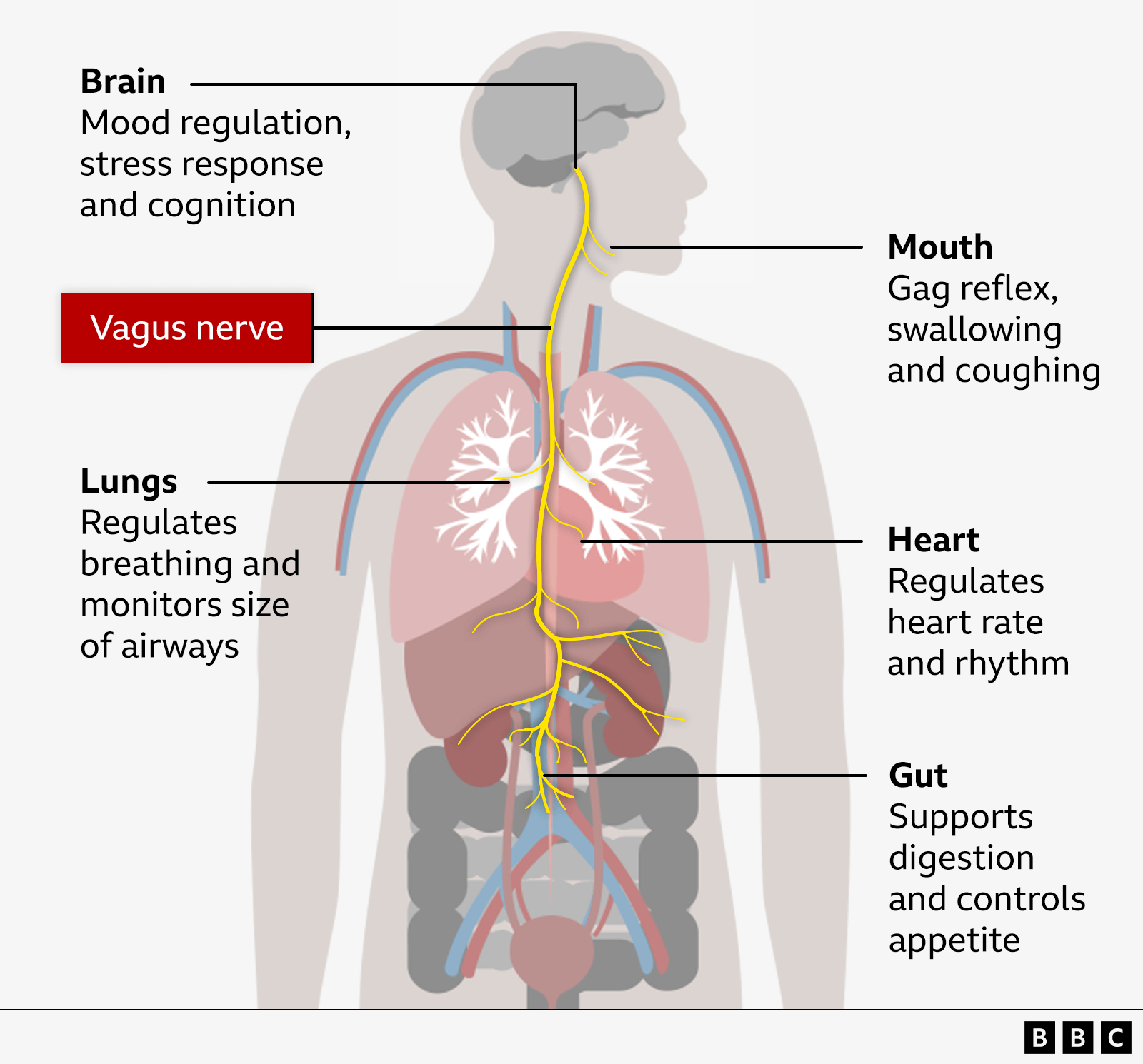
During this phase, slow your breathing. Inhale for four counts, exhale for six counts. The longer exhale activates the parasympathetic nervous system via increased vagal tone. Pair this extended exhale breathing with the rhythmic quality of the nature sound.
Research from the Max Planck Institute for Human Cognitive and Brain Sciences found that nature sounds produce measurable shifts in brain connectivity, moving activity away from the default mode network (associated with rumination) and toward an outward-focused resting state. Four minutes of consistent nature sound exposure is sufficient to produce detectable changes.
#
Minutes 8–10: Grounding Phase — Soft Spoken Meditation or Low-Frequency Tone
For the final two minutes, transition to either a brief spoken body scan (a voice slowly naming body parts, asking you to notice sensation in each one) or a low-frequency drone tone around 40–60 Hz.
The body scan works by redirecting attention from future projections to present physical sensation. This is the mechanism behind cognitive behavioral techniques for anxiety — occupy the attentional system with the present moment and there is less bandwidth available for anxious future simulation.
Low-frequency tones (think Tibetan singing bowls or a deep sustained note) create physical resonance that anchors attention similarly.
After the Routine: The Transition Protocol
The routine ends, but the transition back to evening activities matters. Follow this sequence:1. Stay seated for 30 seconds after the audio ends. Notice whether your body feels different than before.
2. Do one physical grounding action — stand, stretch, or step outside briefly. Physical movement helps consolidate the physiological shift.
3. Do not check work email or Slack. Whatever is there will still be there tomorrow. Checking now reruns the simulation cycle and reactivates the anxiety loop you just interrupted.
If thoughts about the week return, gently label them: "There's the planning again." Labeling — what psychologists call affect labeling — reduces amygdala activity by engaging the language centers of the prefrontal cortex.
Why One Routine Isn't Enough: The Habit Dimension
A single session helps. A weekly habit changes your baseline.When practiced consistently every Sunday, this routine trains both your nervous system and your associative memory. After several weeks, beginning the routine will trigger an anticipatory calm response — your body will start to shift physiologically just from putting the headphones on, because it has learned what follows.
This is classical conditioning, and it works in your favor once established. The audio routine becomes a powerful ritual anchor: a cue that signals to your nervous system that Sunday evening is a time of deactivation, not activation.
StillKoi is designed for exactly this kind of layered use — the binaural beats, nature soundscapes, and guided meditations are all available in a single app, sequenced for your transitions and scheduled around your week. The Sunday evening slot is, for many users, their highest-stakes wellness window.
Making It Consistent
The hardest part of any routine is the first three weeks. During this period, the ritual isn't yet automatic. A few tactics that help:Set a Sunday alarm for 7:30 PM labeled "10-minute reset." The alarm removes the decision friction — you don't have to remember or motivate yourself, the phone handles the cue.
Keep your headphones in a visible, dedicated spot. Environmental cues dramatically improve habit adherence. If the headphones are coiled in a drawer, you'll skip the routine. On the nightstand, you'll do it.
Log it. A single checkmark in a notebook or app after completing the routine uses the dopaminergic streak-maintenance system to create motivation that doesn't depend on willpower.
---
Frequently Asked Questions
What if I don't have 10 minutes?
Even the four-minute deactivation phase alone (rain sound + slow breathing) produces measurable HRV improvements. A shorter version is always better than skipping entirely.
Can I do this during the commute to work on Monday instead?
The anticipatory anxiety of Sunday roots in weekend deactivation — your system is winding down and simultaneously receiving threat signals. Monday commute is a different context. This routine is specifically designed as a Sunday evening interrupt, not a general anxiety tool.
Do I need binaural beats specifically, or will regular relaxing music work?
Regular relaxing music works for the deactivation phase. Binaural beats add a specific cortical entrainment mechanism that passive music doesn't provide. If you can't use headphones, swap the binaural beats portion for any slow, harmonic music below 60 BPM.
I tried this and still felt anxious after. What went wrong?
Nothing went wrong. One session for an entrenched pattern rarely completely resolves it. Note whether your anxiety was lower than before — even 20% less is a meaningful result. The effect compounds with consistent practice.
Should I do this if I actually have stressful things to prepare for Monday?
Yes, especially then. Anxious rumination does not improve your preparation — it rehearses threat, not competence. If there's something you genuinely need to prepare, write it down on a notepad before starting the routine. The act of externalizing it reduces the anxiety that drives repetitive mental rehearsal.
---
References
Wahbeh, H., Calabrese, C., & Zwickey, H. (2007). Binaural beat technology in humans: a pilot study to assess neuropsychologic, physiologic, and electroencephalographic effects. *Journal of Alternative and Complementary Medicine*, 13(2), 199–206.
Gould van Praag, C. D., et al. (2017). Mind-wandering and alterations to default mode network connectivity when listening to naturalistic versus artificial sounds. *Scientific Reports*, 7, 45273.
Torre, J. B., & Lieberman, M. D. (2018). Putting feelings into words: Affect labeling as implicit emotion regulation. *Emotion Review*, 10(2), 116–124.
The StillKoi Team
We research the neuroscience of rest, focus, and stress recovery to help you build a calmer, more intentional daily life. Every article is grounded in peer-reviewed research and practical, real-world application.
Related Articles

Try StillKoi
Your calm, on demand
Experience personalized wellness with natural sound mixing, guided breathing, and daily rituals.