Wired but Tired: Why You're Exhausted Yet Can't Relax
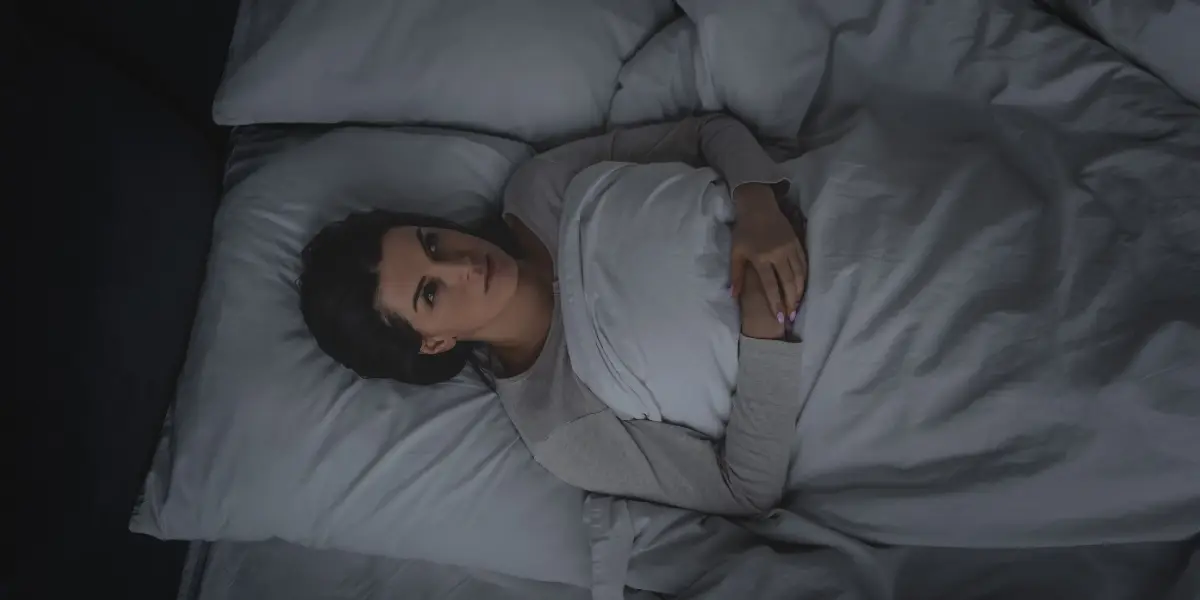
You feel drained. Your body is exhausted, your motivation is gone, yet your mind feels oddly alert. Instead of winding down, you feel restless, tense, and unable to relax. This paradoxical state — being "wired but tired" — is not a character flaw. It has a clear neurological explanation.
What "Wired but Tired" Actually Means
The wired-but-tired state occurs when physical fatigue and nervous system arousal exist at the same time. Your muscles and energy reserves are depleted, but your brain remains in a state of high alert.This happens when the sympathetic nervous system — responsible for fight-or-flight — stays active long after the stressor has passed. Instead of transitioning into rest, the brain keeps the body on standby: ready, vigilant, scanning.
The result? You're exhausted by 9 PM but lie awake at midnight with a racing mind. You yawn constantly but can't fall asleep. You're craving rest but can't enter it.
Experience StillKoi for Yourself
Put these insights into practice with guided breathing, meditation, and wellness tools.


The HPA Axis: Your Stress Thermostat
At the center of this paradox is the hypothalamic-pituitary-adrenal (HPA) axis — the brain-body network that regulates your stress response. When you perceive a threat (a deadline, a conflict, even a scrolled news headline), the HPA axis releases cortisol and adrenaline.Cortisol follows a natural 24-hour rhythm: it should peak within 30 minutes of waking (the cortisol awakening response) and steadily decline through the day, reaching its lowest point around midnight. This decline is what creates the biological window for sleep.
But when stress is chronic — even low-grade, background-level stress — the HPA axis remains partially activated throughout the day and into the evening. Cortisol levels don't fall as they should. The result is a physiological contradiction: your body is running out of fuel, but the engine won't turn off.
Allostatic Load: The Cost of Chronic Stress
Allostatic load is the cumulative wear on your body from sustained stress adaptation. Think of it as your biological debt. Every time your stress system activates and doesn't fully deactivate, it adds to this load.High allostatic load creates the specific pattern of wired-but-tired:
- Physical exhaustion (muscles, immune system taxed)
- Elevated evening cortisol (keeps the brain alert)
- Disrupted sleep architecture (less deep sleep, more fragmented light sleep)
- Morning grogginess despite having slept
This is not a mood state. It is a physiological one — and it requires physiological solutions.
Why Sleep Pressure Can't Override Arousal
Sleep research describes two forces governing when you sleep:1. Process S (sleep pressure): Adenosine, a chemical byproduct of brain activity, accumulates throughout the day. The longer you're awake, the higher the drive to sleep.
2. Process C (circadian alerting signal): Your internal clock sends alerting signals during the day and releases melatonin after dark to promote sleep onset.
In the wired-but-tired state, elevated cortisol and sympathetic activation override both processes. Even when adenosine has built up significantly — meaning you're genuinely exhausted — persistent stress hormones suppress the transition to sleep. Your body wants to sleep; your nervous system won't grant permission.
This is why willpower alone doesn't work. You cannot force your way through a physiology that is stuck in alert mode.
Why Rest Alone Doesn't Fix It
Many people try lying down earlier or forcing rest. The problem: rest without nervous system regulation often makes things worse.In a highly aroused state:
- The brain interprets stillness as an opportunity to scan for threats
- Silence amplifies internal noise (racing thoughts, heightened heartbeat awareness)
- Lack of external input increases rumination
This is why many people report feeling *more* anxious when they stop and try to relax. The nervous system hasn't received any signal that it's safe to downshift. It just has fewer distractions filling the space.
The Nervous System Needs a Transition, Not a Switch
The autonomic nervous system doesn't toggle instantly between sympathetic (alert) and parasympathetic (rest). It needs a transition phase — a buffer between the demands of the day and the stillness of sleep.Effective transitions share key properties:
- They are predictable and repetitive (routines signal safety to the threat-detection system)
- They reduce cognitive load (no decisions, no problem-solving, no new information)
- They provide gentle sensory input that the nervous system can rest around
This is exactly why ambient sound is so effective for facilitating this transition. A consistent, low-complexity soundscape provides just enough input to stop the brain from threat-scanning, while being too simple to drive further activation.
A 4-Step Protocol to Exit the Wired State
Implement this in the 45–60 minutes before you want to sleep:Step 1: Light environment shift. Dim overhead lights and switch to warm-toned bulbs or lamps. This removes the blue-light signal that keeps cortisol elevated and delays melatonin production.
Step 2: Stop all information intake. No news, social media, or email. Every new piece of information is a potential micro-stressor the amygdala must evaluate. Give it nothing new to process.
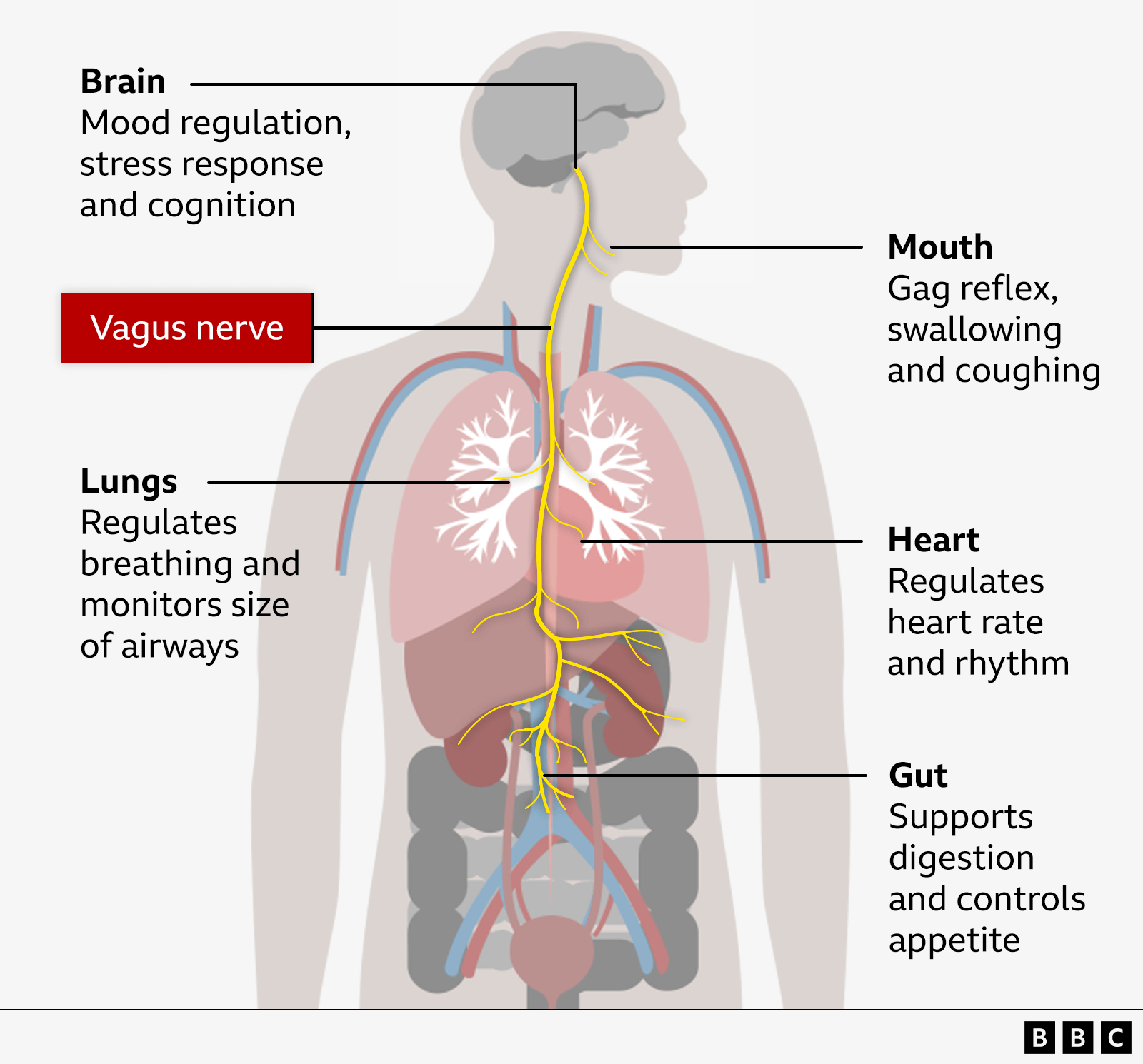
Step 3: Extended exhale breathing. For 5 minutes: inhale 4 counts, exhale 6–8 counts. The longer exhale directly activates the vagus nerve, shifting the nervous system toward parasympathetic dominance. See our guide on the neurobiology of breathing for the full mechanism.
Step 4: Consistent ambient sound. Use the same soundscape every night — rain, brown noise, or forest sounds at around 45 dB. Repetition trains the brain to associate that specific sound with sleep permission. Over 1–2 weeks, the sound alone begins triggering the physiology of rest. StillKoi is built for exactly this transition — soundscapes calibrated for nervous system regulation, not just background audio.
What to Avoid When Wired
- Caffeine after 2 PM: Caffeine's half-life is 5–7 hours. An afternoon coffee still has meaningful levels in your blood at midnight. - High-intensity exercise after 7 PM: Exercise raises cortisol and core body temperature, both of which delay sleep onset by 1–2 hours. - Doom-scrolling in bed: Even 5 minutes of anxious content can reset the clock on cortisol decline. - Forced sleep attempts: Lying in bed frustrated about not sleeping creates conditioned arousal — the brain learns to associate bed with alertness. If you haven't slept within 20–25 minutes, briefly get up.The Connection to Insomnia
Chronic wired-but-tired states are a primary driver of psychophysiological insomnia — where the core problem is heightened arousal, not insufficient sleepiness. Cognitive Behavioral Therapy for Insomnia (CBT-I) addresses this directly and is the gold-standard, medication-free treatment. The strategies above align with CBT-I's arousal reduction component. Understanding why your mind races at night provides additional context on the cognitive dimension of this problem.Frequently Asked Questions
Why am I exhausted all day but suddenly alert at night?Elevated evening cortisol from chronic stress overrides the natural melatonin rise. Your body is physically tired, but the stress system still active. The quietness of nighttime removes daytime distractions, making the underlying arousal more noticeable — not worse, just less masked.
How long does it take to come down from being wired?
The nervous system needs 15–45 minutes of active regulation, not passive waiting. Breathing exercises, dim light, and consistent routine accelerate the process. Cold-turkey stillness rarely works alone.
Is wired but tired the same as insomnia?
It's often a precursor. Repeated wired-but-tired nights train the brain to associate bedtime with arousal, which can develop into persistent insomnia. Addressing the arousal pattern early is key to prevention.
Can supplements help?
Magnesium glycinate (300–400 mg before bed) has good evidence for reducing evening cortisol. L-theanine (200 mg) supports parasympathetic activation without sedation. Neither replaces nervous system regulation techniques but both can be a useful addition.
Does alcohol help with the wired state?
Alcohol suppresses arousal initially but dramatically fragments sleep architecture, particularly REM sleep. It reliably causes a cortisol rebound in the early morning hours — measurably worsening the wired state the following day.
---
*This article was reviewed and written by the StillKoi team, focused on evidence-based sleep and nervous system support.*
*Scientific References:*
*McEwen (2007) – Physiology and Neurobiology of Stress and Adaptation: Central Role of the Brain. Physiological Reviews.*
*Borbély et al. (2016) – The Two-Process Model of Sleep Regulation: A Reappraisal. Journal of Sleep Research.*
*Goldstein et al. (2019) – Cortisol Dysregulation, Autonomic Nervous System Changes, and Sleep Disturbance. Sleep Medicine Reviews.*
*Sapolsky (2004) – Why Zebras Don't Get Ulcers. Henry Holt & Co.*
The StillKoi Team
We research the neuroscience of rest, focus, and stress recovery to help you build a calmer, more intentional daily life. Every article is grounded in peer-reviewed research and practical, real-world application.
Related Articles


Try StillKoi
Your calm, on demand
Experience personalized wellness with natural sound mixing, guided breathing, and daily rituals.