Why Can't I Sleep Even When I'm Exhausted? The Neuroscience Explained
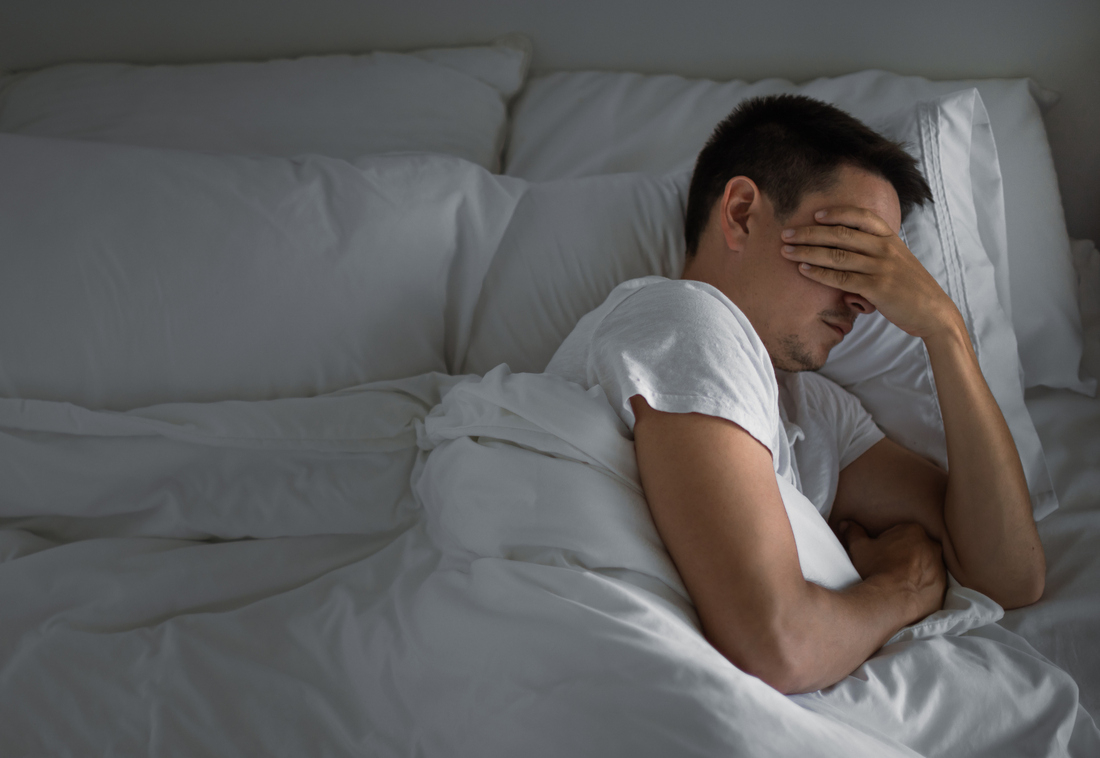
You're exhausted. Your body aches for rest, your eyes feel heavy, yet the moment you lie down, sleep refuses to come. Thoughts stay active, your body feels wired even as it feels drained, and the more you want to sleep, the harder it becomes.
This experience is not a contradiction. It's a biological mismatch between two separate systems that don't always work in sync — and understanding exactly why this happens is the key to doing something effective about it.
Fatigue and Sleep Are Not the Same Thing
This distinction is the foundation of everything else. Physical fatigue reflects depleted energy in the body: glycogen stores are low, muscles are fatigued, metabolic byproducts have accumulated. Fatigue is a peripheral phenomenon.Sleep, however, is a *central* state controlled by the brain. Sleep onset requires the nervous system to shift from sympathetic arousal (alert, vigilant, ready for action) to parasympathetic dominance (safe, disengaged, ready for rest). This shift is mediated by specific hormones and neurotransmitter systems — and critically, it does not happen automatically just because the body is tired.
You can be profoundly physically exhausted and remain unable to sleep because your arousal system is still active. The two systems operate largely independently.
Experience StillKoi for Yourself
Put these insights into practice with guided breathing, meditation, and wellness tools.


The Two-Process Model of Sleep
Sleep researchers use a framework called the Two-Process Model to understand sleep regulation.Process S (Sleep Homeostasis): During waking hours, a molecule called adenosine accumulates in the brain. Adenosine creates increasing sleep pressure — the biological "sleepiness" that builds the longer you're awake. This is the same process that caffeine interrupts by blocking adenosine receptors. When adenosine is high, you feel tired.
Process C (Circadian Rhythm): Your internal clock — regulated primarily by light and darkness — promotes wakefulness during the day and sleep at night by controlling the release of melatonin, cortisol, and other hormones.
Sleep happens most easily when both processes align: adenosine is high (long waking period) and the circadian clock is promoting sleep (late evening, melatonin rising). When they're misaligned, or when the arousal system overrides both, sleep becomes elusive.
Being exhausted but unable to sleep is usually the result of high Process S (adenosine is high, sleep pressure is real) and a dysregulated Process C or overactive arousal system that overpowers it.
The Brain's Arousal System Is Still Active
The most common reason the arousal system remains active despite physical exhaustion is unresolved psychological stress.Stress activates the hypothalamic-pituitary-adrenal (HPA) axis, which releases cortisol and activates the sympathetic nervous system. This state was designed for short-term threats — not for the chronic, low-level, psychological stressors of modern life. When stress accumulates through a long day of work, social demands, and unresolved concerns, the arousal system doesn't cleanly switch off at bedtime.
Common activators that persist into the night:
- Elevated cortisol from prolonged work or emotional stress
- Ongoing cognitive processing (problem-solving, rumination, planning)
- Blue-light exposure suppressing melatonin from evening screen use
- Irregular sleep timing leaving the circadian clock confused
- Anxiety about sleep itself (particularly in people with a history of insomnia)
In this state, even if your eyes are closing from adenosine pressure, your brain is prioritizing vigilance over rest. The arousal system wins.
Why Lying in Bed Makes It Worse
When you lie still in the dark, external input drops sharply. For a brain that is still aroused, this creates a problem — the void fills with internal signal.Common experiences include racing thoughts, heightened physical awareness (heartbeat sounds loud, body sensations feel amplified), and escalating frustration as sleep doesn't come.
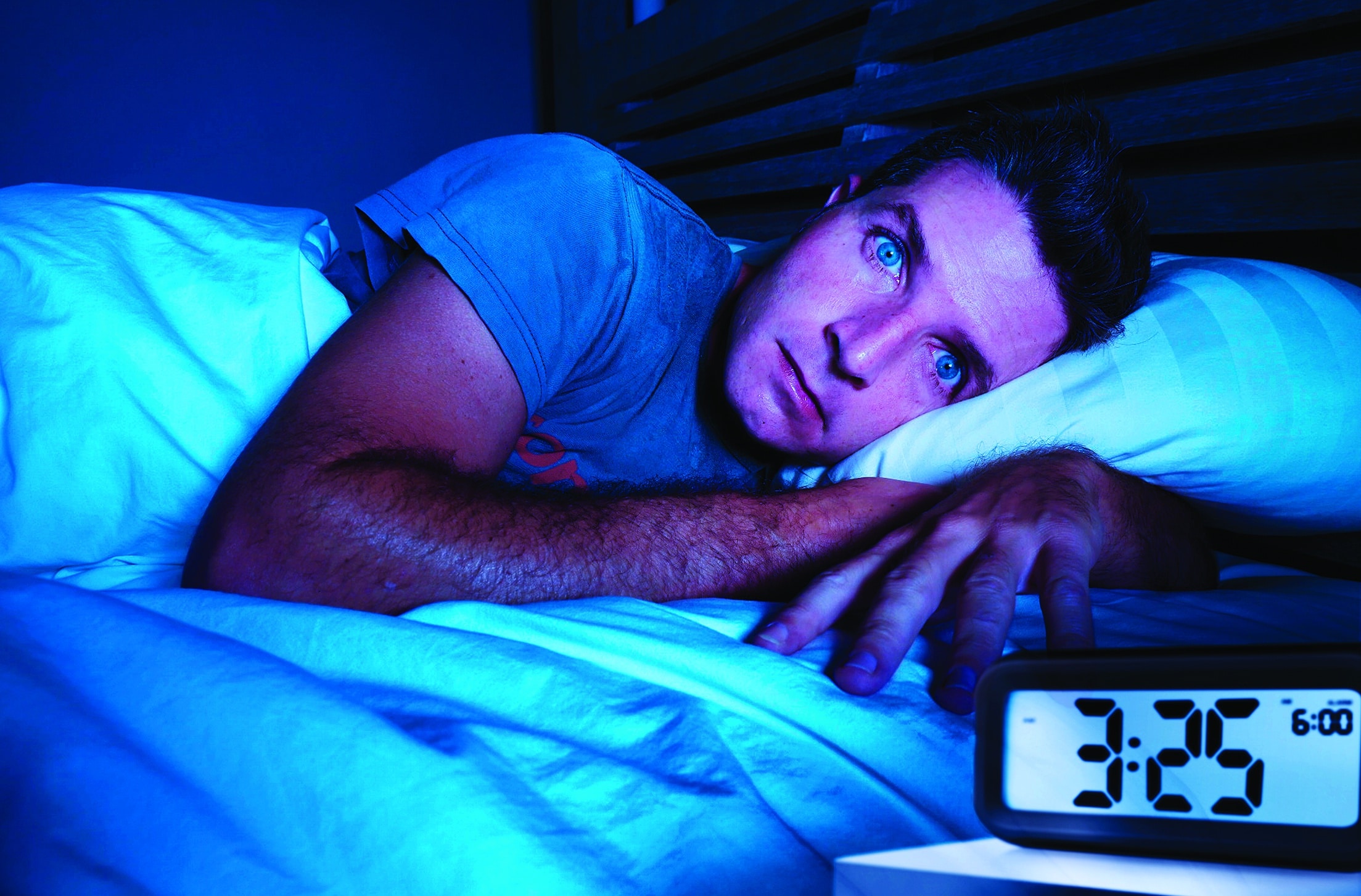
This frustration is itself an arousal amplifier. Frustration activates the sympathetic system — the same system that keeps you awake. The clock-watching, the mental calculations of "if I fall asleep now I'll get X hours," the despair about tomorrow's performance — all of these heighten arousal and push sleep further away.
This is the insomnia feedback loop that Spielman's 3P Model describes: predisposing factors (baseline tendency toward arousal), precipitating factors (the stressor), and perpetuating factors (the behaviors that maintain wakefulness — including excessive time in bed while awake).
Lying in bed awake for extended periods also conditions the brain to associate the bed with wakefulness. Over time, the bed itself becomes a cue for arousal rather than rest — a process that can perpetuate insomnia long after the original stressor has passed.
What Sleep Onset Actually Requires
Falling asleep is not passive. It is an active biological process requiring specific conditions.The nervous system needs to shift from sympathetic activation to parasympathetic dominance. This shift is supported and accelerated by:
Safety signals: Consistent, predictable environmental cues that communicate to the threat-detection system that nothing requires monitoring. Darkness, familiar space, stable temperature, and — for many people — gentle ambient sound rather than silence.
Physiological wind-down: Core body temperature must drop slightly for sleep onset to occur. This happens naturally in the evening if you're not artificially elevating body temperature through intense exercise or hot environments in the final hour.
Reduced cognitive load: The working memory system needs to be disengaged from active problem-solving. Strategies that help: brief to-do list writing before bed (externalizes open loops), a consistent low-stimulation routine, and avoiding mentally demanding tasks in the final 30 minutes.
Parasympathetic activation: Without a deliberate shift toward the rest-and-digest nervous system, the arousal system can persist. The most direct tools are extended-exhale breathing (vagus nerve activation), progressive muscle relaxation, and designed soundscapes that reduce internal cognitive load.
Sound and the Sleep Transition
For the specific situation of physical exhaustion with mental arousal — the "wired and tired" state — one of the most effective interventions is changing the auditory environment.In silence, internal signals dominate: thoughts, heartbeat, physical sensations, time awareness. A low-complexity, continuous sound provides an external anchor that reduces the brain's tendency to turn inward.
Soft ambient sounds help by:
- Reducing the relative loudness of internal thoughts (masking internal noise, not external noise)
- Providing a stable sensory anchor for the attention system
- Communicating environmental safety to the threat-detection system
- Creating a familiar routine cue (using the same sound nightly conditions the brain to associate it with sleep)
This is categorically different from music or stimulating content. The key properties are consistency, low emotional charge, and predictable variation — all present in rain sounds, brown noise, and natural soundscapes. Tools like StillKoi are built specifically around this principle: designed sound environments that help the brain release arousal gradually, rather than demanding that it stop being alert.
A Troubleshooting Guide
If you're lying in bed exhausted but unable to sleep:For the first 20 minutes: Don't get up yet. Do extended-exhale breathing (4 counts in, 6–8 counts out) with eyes closed, gentle ambient sound playing. Allow the adenosine pressure you've built to work. Don't check the time.
After 20–25 minutes of genuine non-sleep: Get up. Go to a dim, non-stimulating space. Do something with very low cognitive demand — gentle reading (paper, not screen), very slow stretching, or simply sitting quietly with calm audio. Don't look at screens. Return to bed when you feel drowsy, not just tired.
If this happens consistently: Look at the 30 minutes before bed. Is there screen exposure? Bright light? Mentally demanding activity? This window is where most chronic "exhausted but wired" problems originate.
If it continues for weeks: Consider consulting with a physician or a therapist trained in Cognitive Behavioral Therapy for Insomnia (CBT-I). This is more effective than sleep medication for chronic insomnia and produces changes that persist after treatment ends.
The Takeaway
Exhaustion and sleep readiness are biologically separate. Being tired doesn't automatically mean your brain will sleep — if the arousal system is still active, it will override the sleep pressure signal. This is not a failure of willpower or discipline.Resolution comes from working with the nervous system's own regulatory pathways: reducing arousal through the breath, changing the sensory environment, lowering cognitive load before bed, and building reliable pre-sleep cues that train the brain to begin its transition.
Sleep happens when the conditions are right. Your job is to create those conditions — not to force the outcome.
Frequently Asked Questions
Why can't I sleep even though I'm exhausted?Physical fatigue and sleep readiness are governed by different systems. You can have high sleep pressure (adenosine built up) while your arousal system remains active from stress, cortisol elevation, blue-light exposure, or anxiety. The arousal system can override sleep pressure, leaving you simultaneously exhausted and unable to sleep.
What should I do when I'm too tired to sleep?
Avoid forcing rest by lying frustrated in bed. Instead focus on nervous system regulation: extended exhale breathing, gentle ambient sound, dim light, and low cognitive demand. If you've been awake more than 20–25 minutes with no drowsiness, briefly get up and return when you feel closer to sleep. See our guides on breathing for relaxation and managing racing thoughts at night for specific techniques.
Is lying in bed when you can't sleep harmful?
Over time, yes — if it becomes a pattern. Prolonged wakefulness in bed conditions the brain to associate the bed with alertness rather than sleep (a process called conditioned arousal). If you're regularly awake in bed for 30+ minutes, getting up briefly breaks this association. For transient episodes, occasional frustrated wakefulness in bed is not clinically significant.
Does exhaustion help you sleep eventually even if you can't at first?
Adenosine pressure does continue to build and eventually forces sleep in most cases. But the quality of sleep possible when the arousal system remains active is significantly lower than normal sleep. The brain's ability to consolidate memory and restore hormone balance during sleep is degraded when the nervous system is aroused. High adenosine producing poor-quality aroused sleep is common in chronic insomnia and doesn't provide the same restoration as calm, deep sleep. Understanding circadian rhythm and timing can help optimize conditions.
---
*This article was reviewed and written by the StillKoi team, focused on evidence-based sleep and nervous system support.*
*Scientific References:*
*Morin & Benca (2012) – Chronic Insomnia and Hyperarousal. The Lancet.*
*Riemann et al. (2015) – The Hyperarousal Model of Insomnia. Sleep Medicine Reviews.*
*Spielman et al. (1987) – A behavioral perspective on insomnia treatment. Psychiatric Clinics of North America.*
*Borbely et al. (2016) – The two-process model of sleep regulation. Journal of Sleep Research.*
The StillKoi Team
We research the neuroscience of rest, focus, and stress recovery to help you build a calmer, more intentional daily life. Every article is grounded in peer-reviewed research and practical, real-world application.
Related Articles

Try StillKoi
Your calm, on demand
Experience personalized wellness with natural sound mixing, guided breathing, and daily rituals.