Why Your Sleep Tracker Might Be Making Your Insomnia Worse
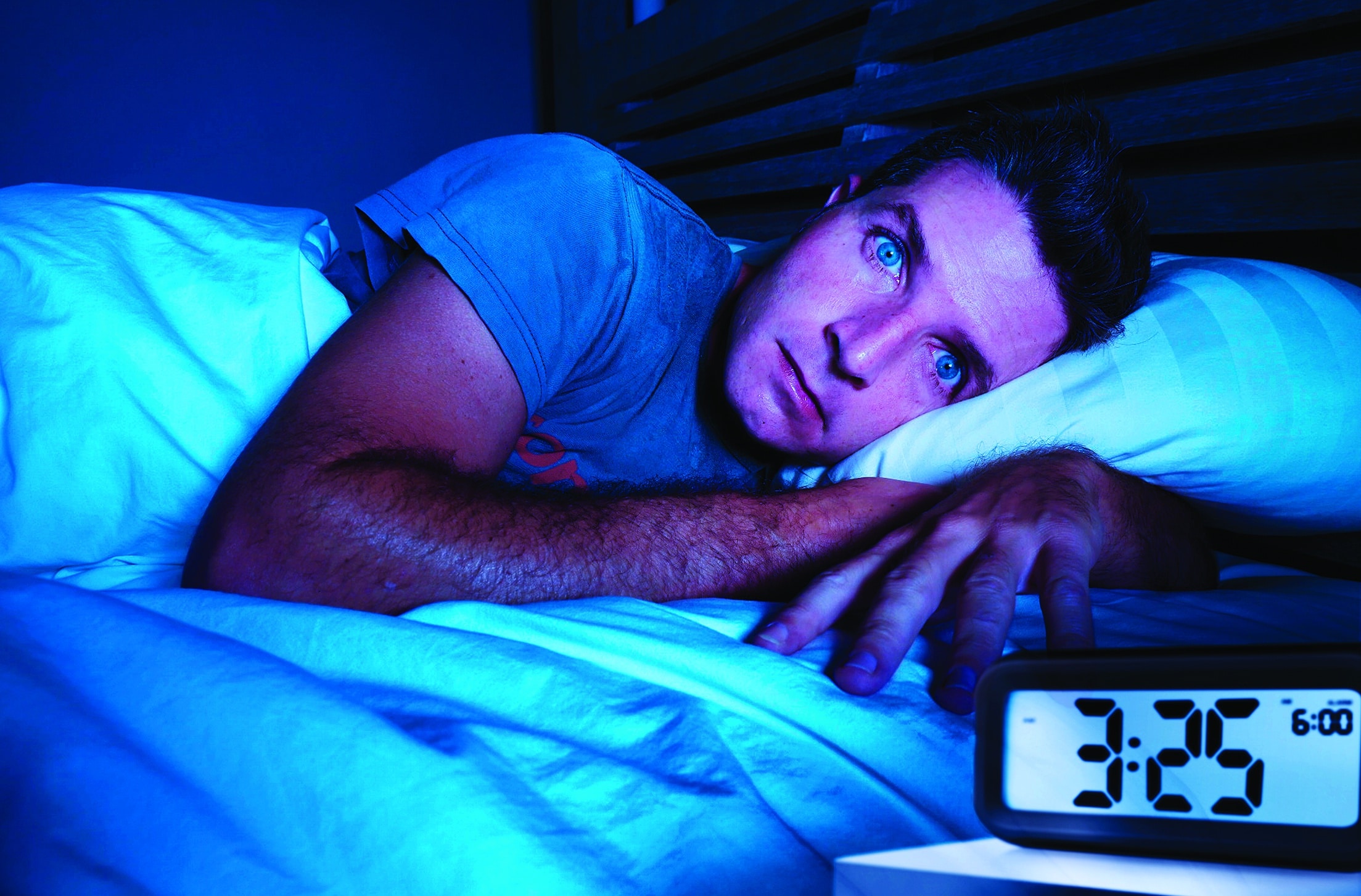
The Oura Ring tells you that you slept 6 hours and 12 minutes, got 47 minutes of deep sleep (below your goal), and your readiness score is 64. You feel fine. But now you're anxious.
This is the paradox that a growing body of research is documenting: sleep tracking, designed to improve your sleep, can make it significantly worse — particularly for people already prone to anxiety or perfectionism.
This phenomenon now has a formal clinical name: orthosomnia. And it's becoming one of the more underacknowledged sleep problems of the wearable tech era.
What Is Orthosomnia?
Orthosomnia was first formally described in a 2017 case series published in the *Journal of Clinical Sleep Medicine* by researchers at Northwestern University. They documented patients who developed insomnia and excessive sleep-related anxiety driven specifically by attempts to achieve perfect sleep tracker data.The term comes from the Greek *ortho* (correct or straight) and *somnia* (sleep) — meaning, essentially, the obsessive pursuit of "correct" sleep.
People with orthosomnia:
- Check their sleep data immediately upon waking (often before getting out of bed)
- Experience significant anxiety when scores are below personal benchmarks
- Make increasingly elaborate behavioral changes trying to optimize their metrics
- Report their sleep quality is determined by the app, not by how they actually feel
- Lie in bed longer hoping to accumulate deep sleep time — which often reduces sleep quality
In the original Northwestern case series, patients reported worsening sleep after getting a tracker, not better. Some developed clinical insomnia for the first time in their lives.
Experience StillKoi for Yourself
Put these insights into practice with guided breathing, meditation, and wellness tools.

The Problem with Sleep Scores
Consumer sleep trackers use a combination of accelerometer data (movement), heart rate variability, skin temperature, and in some devices, pulse oximetry, to estimate sleep stages and quality.The key word is *estimate*.
Consumer wearables infer sleep stages from physiological proxies. They are not EEG devices reading brain electrical activity directly. The gold standard for sleep staging — polysomnography — requires electrodes attached to your scalp, eyes, and chin, conducted in a sleep lab.
Research consistently shows that consumer devices:
- Have acceptable accuracy for detecting sleep vs. wakefulness overall
- Have moderate accuracy for identifying REM sleep
- Have significantly lower accuracy for distinguishing slow-wave (deep) sleep from light sleep — the metrics most users fixate on
A 2022 study in *npj Digital Medicine* comparing four leading consumer wearables to polysomnography found epoch-by-epoch agreement for N3 (deep sleep) ranging from poor to moderate across devices. Translation: the "47 minutes of deep sleep" on your Oura is a statistically noisy estimate, not a physiological measurement.
This doesn't mean trackers provide no value — they can identify broad patterns over weeks and months. But treating a nightly score as a precise readout of your body's restorative functions is a misuse of the technology.
The Nocebo Effect: When Data Makes Things Worse
The nocebo effect is the opposite of the placebo effect: the expectation of a negative outcome produces physiological harm. Sleep tracking creates perfect conditions for the nocebo effect.In a landmark 2019 experiment published in the *Journal of Experimental Psychology*, researchers gave participants false feedback about their sleep quality — telling some high-quality sleepers they'd had poor sleep, and some poor sleepers they'd had excellent sleep.
Those told they had poor sleep (regardless of actual quality) performed worse on cognitive tests afterward. Those told they had excellent sleep performed better.
The implication is significant: the score on your sleep tracker — even if inaccurate — can meaningfully affect how you function the next day. A bad sleep score can make a good night of sleep feel worse. And then there's the night before: lying in bed anxious about getting enough deep sleep is one of the most effective ways to prevent deep sleep from occurring.
The Feedback Loop That Keeps You Awake
Here's the clinical pattern that researchers observe:1. User gets a low deep sleep score
2. Goes to bed earlier the following night to "catch up"
3. Lies awake longer since sleep drive hasn't built sufficiently
4. Scores lower the next night
5. Anxiety about sleep increases
6. Pre-sleep cognitive arousal increases — which directly suppresses slow-wave sleep architecture
7. Repeat indefinitely
This loop is almost identical to the development of chronic primary insomnia — except the initial trigger was the tracking app, not an external life stressor.
Prolonged time in bed with wakefulness is also one of the behavioral patterns that hyperarousal models of insomnia identify as a key driver of chronic poor sleep. Ironically, the behaviors people adopt to maximize their scores often worsen the underlying neurobiology.
What Sleep Trackers Get Right
This isn't a wholesale rejection of sleep technology. Trackers provide genuine value in specific contexts:Long-term trend detection: A consistently declining HRV or resting heart rate over weeks can be an early signal of illness, overtraining, or accumulating stress that you might otherwise miss.
Gross behavioral patterns: Tracking can reveal that sleep quality reliably drops after alcohol, late caffeine, or irregular sleep timing — patterns that require weeks of consistent data to identify confidently.
Accountability for sleep timing: If you notice you consistently get 45 more minutes of sleep when you go to bed before 11pm, that's actionable information.
The issue is specificity — treating daily fluctuating scores as precise, meaningful data about your health, and allowing them to determine your subjective experience of rest.
What to Do Instead
If you recognize orthosomnia-adjacent patterns in yourself, these approaches help:Delay data review: Don't check your sleep score immediately upon waking. Check it after breakfast, or not at all on high-stress days. Your first thought upon waking should be how you feel, not what the app says.
Conduct periodic device breaks: One week per month with the tracker off the wrist. Pay attention to whether your subjective sleep quality changes meaningfully without the metric. Many people report sleeping better during data breaks.
Rate your sleep before checking data: Before looking at any score, write down or note mentally: how do I feel? Am I rested? This preserves your subjective experience as the primary reference point rather than an afterthought.
Focus on behaviors, not scores: Sleep quality is downstream of your pre-sleep environment, stress levels, light exposure, and consistency of timing. Focus your energy on pre-sleep routines, sound environments, and circadian timing — these inputs are within your control. The score is an output.
Use sound, not optimization, as your pre-sleep tool: One of the most evidence-supported ways to improve sleep architecture is to reduce pre-sleep cognitive arousal. Calming soundscapes, controlled breathing, and deliberate sensory wind-downs are more effective than obsessively timing sleep stages. StillKoi is designed around this premise — shifting your focus from data management to environment design, which is where the actual levers are.
The Bottom Line
Sleep trackers are tools, not oracles. They provide statistically uncertain estimates of physiological states that are genuinely difficult to measure without medical equipment. For patterns and trends, they're useful. For nightly optimization, they often create more anxiety than they resolve.The most important sleep data point is how you feel. The trackers were always meant to serve that goal, not replace it.
If your device is making you anxious, it's working against you. Put it in the drawer for a week and see what happens.
Frequently Asked Questions
What is orthosomnia?Orthosomnia is a clinical term describing insomnia and excessive sleep-related anxiety caused by attempts to achieve "perfect" sleep tracker data. It was formally documented in a 2017 case series by researchers at Northwestern University and describes patients whose sleep worsened significantly after acquiring a consumer sleep tracker.
Can sleep trackers cause anxiety?
Yes. For people predisposed to health anxiety or perfectionism, the experience of receiving a low sleep score can trigger significant pre-sleep cognitive arousal — which is one of the primary mechanisms that suppresses deep sleep. The nocebo effect (belief in a negative outcome causing physiological harm) is well-documented in sleep research.
Are consumer sleep trackers accurate?
For detecting sleep vs. wakefulness overall, reasonably. For distinguishing specific sleep stages (particularly deep/slow-wave sleep), accuracy is modest to poor compared to clinical polysomnography. Most devices use movement and heart rate as proxies for brain states — a meaningful limitation that manufacturers don't always emphasize.
Should I stop using my sleep tracker?
Not necessarily. If you use it for weekly or monthly trend analysis and it doesn't affect your daily mood or behavior, it can provide useful data. If you check it first thing every morning, feel anxious about low scores, or make significant behavioral changes based on nightly fluctuations, a break is worth trying. Your subjective sleep experience is the most important metric.
How can I improve deep sleep without a tracker?
Focus on inputs rather than outputs: consistent sleep and wake times, reduced light exposure in the evening, lower pre-sleep cognitive arousal (through sound environments or breathing exercises), and alcohol reduction. These behaviors reliably improve sleep architecture. The tracker may or may not accurately reflect that — your energy levels will.
---
*This article was reviewed and written by the StillKoi team, committed to honest, evidence-based sleep and wellness content.*
*Scientific References:*
*Baron et al. (2017) – Orthosomnia: Are Some Patients Taking the Quantified Self Too Far? Journal of Clinical Sleep Medicine.*
*Kolla et al. (2022) – Consumer sleep tracking devices: a systematic review. npj Digital Medicine.*
*Draganich & Erdal (2014) – Placebo sleep affects cognitive functioning. Journal of Experimental Psychology: General.*
*Perlis et al. (2020) – Hyperarousal and Insomnia: State of the Science. Sleep Medicine Reviews.*
The StillKoi Team
We research the neuroscience of rest, focus, and stress recovery to help you build a calmer, more intentional daily life. Every article is grounded in peer-reviewed research and practical, real-world application.
Related Articles



Try StillKoi
Your calm, on demand
Experience personalized wellness with natural sound mixing, guided breathing, and daily rituals.